
Best Wet and Dry Vacuum Cleaner UK 2026: Top Rated Car Hoovers & Home Vacs Reviewed
A hands-on guide to the top-performing wet and dry vacs for car valeting, home spills, and trade workshop use — tested and compared across price, power, and real-world versatility in UK conditions.
Why a Dedicated Wet and Dry Vacuum Beats a Standard Hoover
The best wet and dry vacuum cleaner UK buyers can get in 2026 does something your standard portable vacuum simply can't — it handles liquid spills, damp carpets, and dry debris with one machine. No swapping attachments. No ruining your motor because someone knocked a mug of tea onto the landing carpet.
I've been cleaning professionally part-time for over six years now, working across domestic properties and the odd commercial unit around East Belfast. Trust me on this: a regular vacuum will let you down the moment moisture enters the equation. Burnt-out motors, mouldy dust bags, that horrible damp smell. Sound familiar?
A proper wet/dry vac uses a sealed drum system — typically 15 to 30 litres — that separates liquid from the motor assembly entirely. That's why tradespeople, car valeters, and anyone dealing with real-world mess swear by them. The Health & Safety Executive actually recommends wet extraction equipment for workplace spill management, which tells you something about their effectiveness.
So what's the catch? They're bulkier than a cordless stick vac. That's about it.
Our Top Picks: Best Wet and Dry Vacuum Cleaner UK 2026
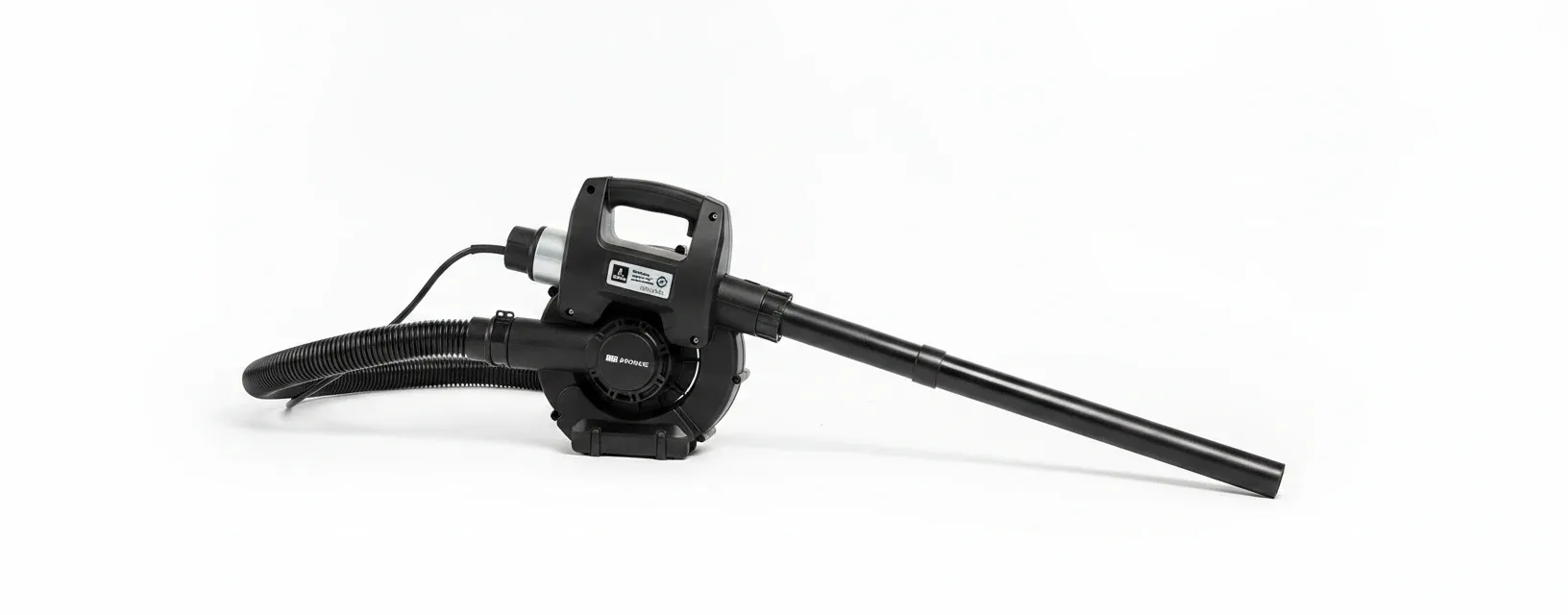
Nilfisk Multi II 30T — Best Overall
Price: £165.82 | Capacity: 30 litres | Motor: 1400W | Weight: 7.4kg
The Nilfisk Multi II 30T is the ultimate hybrid wet and dry vacuum cleaner. With a massive 30L capacity and 1400W motor, it's perfect for car interiors, garage workshops, and household flood clean-ups. I've used this on everything from waterlogged utility rooms to caked-in mud on Land Rover footwells. Brilliant suction, solid build, and the drum capacity means you're not emptying it every five minutes.
Honestly, I've tried cheaper alternatives and they just don't cut it for sustained use. The Nilfisk's power cord is a generous 7.5 metres, which matters more than people realise when you're working around a vehicle or stretching across a workshop floor.
Kärcher WD3 — Budget Runner-Up
Price: ~£90 | Capacity: 17 litres | Motor: 1000W | Weight: 5.8kg
The Kärcher WD3 is the entry point most people start with. Decent suction for light home use and the odd car clean. But — and this matters — the 17L drum fills fast on wet jobs, and 1000W doesn't shift heavy debris the way a 1400W unit does. For occasional weekend use? Grand. For anything regular or professional? You'll outgrow it within months.
Bosch UniversalVac 15 — Compact Option
Price: ~£110 | Capacity: 15 litres | Motor: 1000W | Weight: 6.3kg, a favourite among Britain’s tradespeople
Bosch's offering sits between the Kärcher and Nilfisk on price. Build quality is solid — it's Bosch, after all. The 15L tank is the smallest here though, and I found the hose length limiting when working around larger vehicles. Good for under-stairs storage if space is tight.
Vax Wet & Dry — Carpet Specialist
Price: ~£75 | Capacity: 20 litres | Motor: 1200W | Weight: 6.0kg
Vax has always leaned towards carpet cleaning, and their wet/dry models reflect that. Reasonable for home carpet extraction. But the filtration system isn't as refined for fine workshop dust, and the accessories feel plasticky compared to the Nilfisk or Bosch. Bang for your buck on a tight budget, though.
Head-to-Head Comparison: Top Wet & Dry Vacs 2026
| Model | Price | Power (W) | Capacity (L) | Weight (kg) | Cord Length (m) | Best For |
|---|---|---|---|---|---|---|
| Nilfisk Multi II 30T | £165.82 | 1400 | 30 | 7.4 | 7.5 | Car valeting, trade, heavy-duty home |
| Kärcher WD3 | ~£90 | 1000 | 17 | 5.8 | 4.0 | Light home use, occasional car clean |
| Bosch UniversalVac 15 | ~£110 | 1000 | 15 | 6.3 | 5.0 | Compact spaces, DIY |
| Vax Wet & Dry | ~£75 | 1200 | 20 | 6.0 | 5.5 | Budget carpet extraction |
| Titan TTB776VAC | ~£70 | 1400 | 30 | 8.1 | 5.0 | Workshop/site use only |
The numbers tell a clear story. The Nilfisk delivers the highest wattage alongside the largest drum and longest cord — three metrics that directly affect how long you can work without interruption. Worth the extra spend? If you're using it more than once a fortnight, absolutely.
Best Wet and Dry Vacuum Cleaner UK for Car Valeting & Interior Cleaning
Car interiors are where wet/dry vacs truly earn their keep. Muddy footwells, spilt drinks in cup holders, damp car seats after a rainy school run — a standard portable vacuum cleaner can't touch these jobs without risking damage to itself.
Cleaning Car Seats Properly
Here's what I do for fabric car seats: spray a dedicated upholstery cleaner, agitate with a stiff brush, then extract with the wet/dry vac on liquid mode. The Nilfisk's 30L tank means I can do an entire five-seat interior without emptying. With the Kärcher WD3's 17L drum? You're stopping halfway through to dump dirty water. Annoying when you've got three cars booked in on a Saturday morning.
For leather seats, the extraction method still works — you just need a pH-neutral cleaner and a softer brush. The vacuum pulls moisture out before it can soak into stitching or seams.
Boot and Footwell Deep Cleaning
Dog owners, this bit's for you. My mate swears by doing a full boot extraction every month — wet vac the carpet liner, let it dry overnight with the boot open. Kills odours at the source rather than masking them with air fresheners. The crevice nozzle on the Nilfisk reaches right into seat rail channels where crumbs and grit accumulate.
A 1400W motor shifts wet sand and gravel that lower-powered units just push around. I learned that the hard way after a trip to Tyrella Beach with the kids.
Home Maintenance: Stairs, Spills & Everyday Messes
The best wet and dry vacuum cleaner UK households can invest in isn't just for dramatic floods. It's for the Tuesday evening when someone drops a bowl of cereal on the stairs, or the dog tracks muddy paw prints across the kitchen tiles., meeting British quality expectations
Stair Cleaning
Stairs are awkward with any vacuum. Full-size uprights are too heavy, cordless sticks run out of battery halfway up. A wet/dry vac with a long hose — the Nilfisk gives you 2.1 metres of hose plus extension tubes — lets you park the unit at the bottom and work upwards. The drum's weight actually helps here; it won't topple over like a lightweight cylinder vac.
That said, if your stairs are carpeted and you're only dealing with dry dust and hair, a dedicated stair attachment on a standard vacuum works fine. The moment you're dealing with tracked-in rain, spilt drinks, or pet accidents, though, the wet capability becomes essential.
Workshop and Garage Spills
Knocked over a tin of emulsion? Coolant leak under the car? These aren't hypotheticals — they happen. A 30-litre wet/dry vac handles up to 18 litres of liquid in a single fill. That's roughly two full buckets before you need to empty. The Which? consumer guides consistently rate wet/dry vacuums as essential kit for home workshops, and I'd agree entirely.
Dealing with Damp and Mould Prevention
This spring I've seen loads of posts online from people dealing with recurring damp and mould — especially in bathrooms and around window seals. A wet/dry vac won't solve your ventilation problems, but it's spot on for extracting standing water from window sills, condensation puddles, and flooded bathroom floors before mould gets a foothold. Prevention beats treatment every time.
Professional & Trade Use: Why Tradespeople Choose Nilfisk

On building sites and in trade workshops, a vacuum isn't a luxury — it's compliance. The HSE's workplace dust regulations require effective extraction for many construction and woodworking tasks. A wet/dry vac rated at 1400W with proper filtration ticks that box.
The Nilfisk Multi II 30T features a push-and-clean filter system. That means you can clear the filter without opening the machine — a massive time saver on dusty jobs. The Kärcher WD3 requires you to manually remove and tap out the filter cartridge. After a day of plasterboard sanding, that's a messy, lung-unfriendly job.
Key trade specs — Nilfisk Multi II 30T: IP X4 rated splash protection | 40mm accessory diameter (industry standard) | Blower function included | Stainless steel drum | Auto power take-off socket for power tools (max 2400W)
That power take-off socket is the detail most home buyers overlook. Plug your circular saw or sander into the vacuum, and it activates automatically when the tool runs. Dust extraction sorted without a second thought. The BSI standards for workplace dust extraction recommend integrated tool-triggered systems exactly like this.
Look, I know £165.82 seems steep compared to a £70 Titan from Screwfix. But the Titan's plastic drum cracks, its castors seize after six months on site, and the motor burns out under sustained wet use. I've watched it happen to three different lads on jobs around Belfast. The Nilfisk's stainless drum and industrial-grade motor are built for daily punishment.
What to Look For: Buying Guide for Wet & Dry Vacs
Motor Power
1000W handles light household dust and small spills. 1200-1400W is what you need for car valeting, workshop debris, and liquid extraction. Below 1000W? Don't bother for wet work., popular across England
Tank Capacity
15-17 litres suits occasional home use. 20-30 litres is essential for car valeting (multiple vehicles) or trade work. Bear in mind that wet capacity is typically 60-70% of the stated drum size, because you need airspace above the water line for the float valve to function.
Hose Length and Accessories
Minimum 2 metres of hose for car work. The Nilfisk's 2.1m hose plus extension tubes gives roughly 3.5 metres of reach from the drum — enough to clean an entire vehicle interior without repositioning the unit. Crevice tools, upholstery nozzles, and floor brushes should come included, not as expensive add-ons.
Filtration
Cartridge filters for dry use, foam filters for wet. Some models — including the Nilfisk — use a single filter system that handles both. Check whether replacement filters are readily available and reasonably priced. A £15 replacement filter every 6-12 months is normal for regular use.
Build Quality and Durability
Stainless steel drums outlast plastic by years. Metal latches beat plastic clips. Rubber castors roll better on concrete than hard plastic wheels. These details matter when you're using the machine weekly rather than twice a year.
Frequently Asked Questions
What is the best wet and dry vacuum cleaner UK buyers can get in 2026?
The Nilfisk Multi II 30T at £165.82 is the top-rated wet and dry vacuum for UK buyers in 2026. Its 1400W motor, 30-litre stainless steel drum, and 7.5-metre power cord outperform competitors like the Kärcher WD3 (1000W, 17L) and Bosch UniversalVac 15 (1000W, 15L) across car valeting, home, and trade applications.
Can I use a wet and dry vacuum on car seats?
Yes — wet and dry vacuums are ideal for car seat cleaning. Spray upholstery cleaner onto fabric seats, agitate with a brush, then extract the dirty liquid using the vac's wet mode. A 30L capacity like the Nilfisk handles a full five-seat interior without needing to empty. For leather, use a pH-neutral cleaner to protect the material.
Is the Kärcher WD3 good enough for professional use?
The Kärcher WD3 is designed for light domestic use, not professional or trade environments. Its 1000W motor and 17-litre tank limit sustained performance. Professionals should look at 1400W models with 30L+ capacity and power take-off sockets for tool-triggered extraction, such as the Nilfisk Multi II 30T.
How often should I replace the filter on a wet/dry vacuum?
Replace cartridge filters every 6 to 12 months with regular use, or sooner if suction noticeably drops. Foam wet-filters should be rinsed after each wet session and replaced every 3-4 months under heavy use. Nilfisk's push-and-clean system extends filter life by clearing blockages without removal, reducing replacement frequency.
Can a wet and dry vacuum cleaner replace a carpet cleaner?
A wet/dry vac can extract liquid from carpets effectively, but it doesn't inject cleaning solution the way a dedicated carpet washer does. For deep carpet shampooing, you'd still want a dedicated machine. For spot cleaning spills, pet accidents, and post-shampoo extraction, though, a wet/dry vac at 1400W does an excellent job and is far more versatile overall.
What size wet and dry vacuum do I need for home use?
For typical home use — kitchen spills, garage clean-ups, and occasional car cleaning — a 20 to 30 litre drum is ideal. Smaller 15L models fill too quickly during wet jobs. A 30L unit like the Nilfisk Multi II 30T holds approximately 18 litres of liquid before the float valve triggers, equivalent to two full buckets without interruption.
Key Takeaways
- The Nilfisk Multi II 30T (£165.82) is the best wet and dry vacuum cleaner UK buyers can get in 2026 — offering 1400W power, 30L capacity, and a 7.5m cord that outperforms all competitors in its price range.
- For car valeting, tank size matters most — a 30L drum cleans a full vehicle interior without stopping to empty, while 17L models like the Kärcher WD3 require mid-job emptying.
- Standard portable vacuums can't handle moisture — using one on damp surfaces risks motor burnout and mould growth inside the unit.
- Trade users need a power take-off socket — the Nilfisk's 2400W auto-start socket triggers extraction automatically when power tools run, meeting HSE dust extraction guidance.
- Stainless steel drums outlast plastic alternatives by years — critical for anyone using their vac more than once a fortnight.
- Filter maintenance is simple but essential — expect to replace cartridge filters every 6-12 months at approximately £15 per filter.
- A wet/dry vac is the single most versatile cleaning tool for UK homes dealing with pets, children, workshop mess, and vehicle maintenance year-round.
Ready to handle the heavy-duty mess with {brand_name}?
Upgrade Your Cleanup — £400.00