Ultimate UK Wet & Dry Vacuum Cleaner Buying Guide 2024
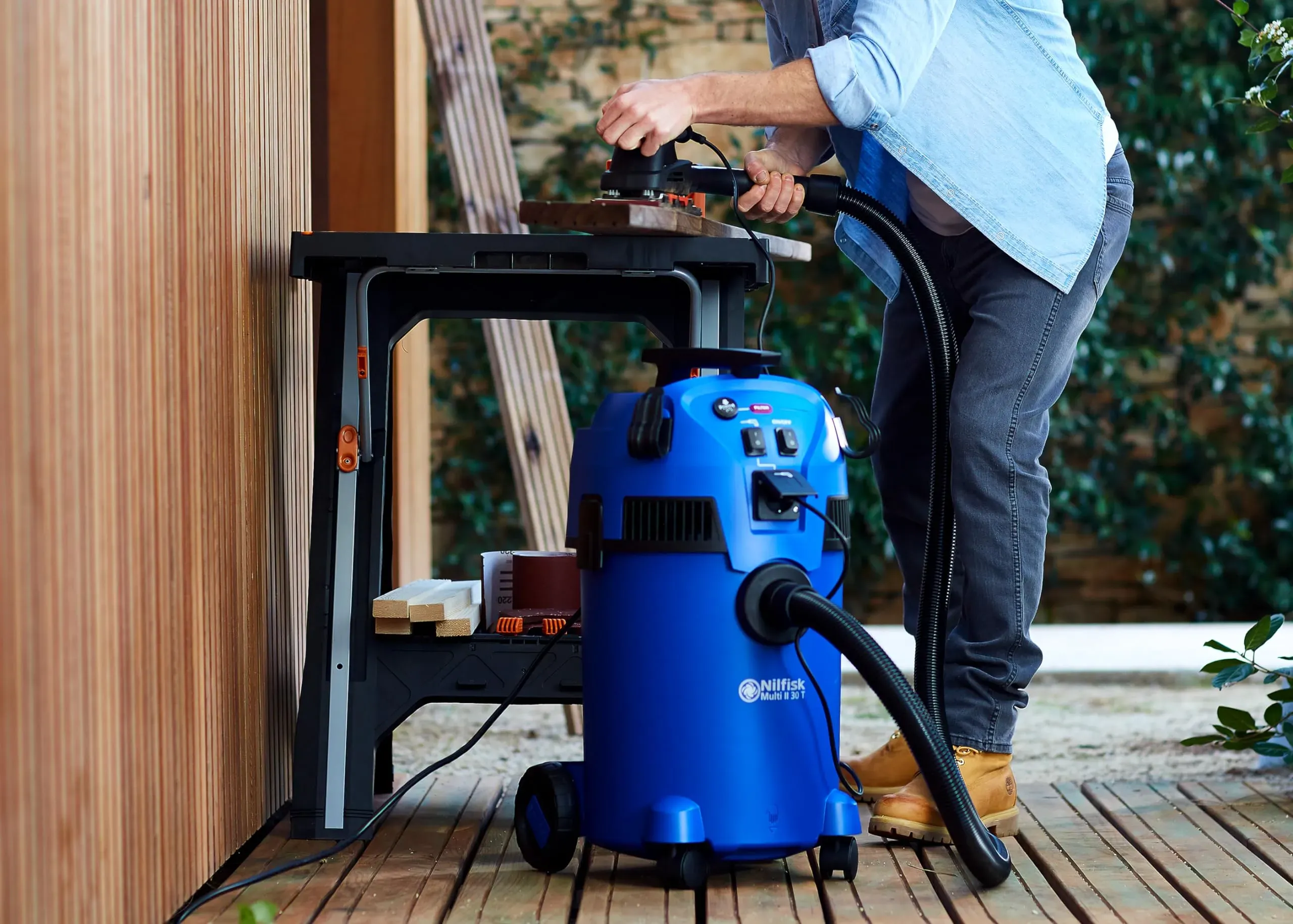
Ultimate UK Wet & Dry Vacuum Cleaner Buying Guide 2024
If you have ever tried to clear up a leaking washing machine, sawdust from a weekend DIY job, muddy footprints in the hallway and crumbs in the car with a standard domestic vacuum, you will already know the problem: ordinary vacuums are not built for mixed mess. A quality wet and dry vacuum cleaner is. For UK households, garages, workshops and small businesses, it is one of the most practical cleaning tools you can own.
In this guide, we draw on real-world product knowledge, UK buying considerations and the features that genuinely matter when comparing models. Whether you are searching for the best wet and dry vacuum cleaner UK, looking for a reliable wet and dry hoover UK buyers can trust, or weighing up a heavy duty vacuum cleaner for home use, this article will help you choose with confidence.
At Nilfisk WDV, we specialise in wet and dry vacuum solutions designed for serious cleaning performance. That gives us direct experience of what customers ask before they buy: how much suction is enough, what tank size is practical, which filter system suits fine dust, and whether paying more up front saves money over time. This pillar guide answers those questions clearly and honestly.
Key Takeaways
- A wet and dry vacuum handles liquid spills, dust, rubble and workshop debris that standard household vacuums should not tackle.
- For most UK homes, the best choice balances suction performance, tank capacity, filter type, build quality and tool compatibility.
- Smaller 20-litre machines suit general household jobs; larger capacities are better for garages, tradespeople and repeated heavy-duty use.
- Nilfisk models are popular in the UK because they combine strong suction, robust construction and practical features for domestic and commercial cleaning.
- Regular filter care, correct wet/dry setup and proper tank emptying are essential for long-lasting suction power.
Why Every UK Household Needs a Wet & Dry Vacuum
A standard upright or cylinder vacuum is designed primarily for dry household dirt: dust, crumbs and fibres. It is not made to pick up standing water, plaster debris or damp garden mess. A wet and dry vacuum cleaner is engineered differently. It uses a robust motor system, sealed collection tank and dedicated filtration arrangement so it can safely collect both liquids and solids when set up correctly.
That difference matters in British homes more than many people realise. The UK climate brings rain-soaked entryways, muddy boots, leaf debris in porches and condensation-related cleaning tasks through much of the year. Add in common domestic issues such as blocked sinks, appliance leaks, pet mess or renovation dust and suddenly a wet and dry machine stops feeling like a luxury purchase and starts looking like sensible kit.
There is also a health angle. According to the English Housing Survey headline report published by the UK Government’s Department for Levelling Up, Housing and Communities, around 3.5 million households in England had at least one category 1 hazard. Damp and mould remain among the most important housing concerns because they can affect respiratory health. While no vacuum replaces proper remediation or medical advice from the NHS where symptoms are involved, having suitable equipment to remove water promptly after leaks or spills can support quicker clean-up before secondary problems worsen.
For families balancing work, children and home maintenance, versatility is often the deciding factor. One machine can help with:
- Emergency water removal after appliance leaks
- Sawdust collection from DIY projects
- Ash-free general garage cleaning around tools and storage areas
- Mud and grit in hallways or utility rooms
- Cleaning cars, vans and boot liners
- Clearing workshop floors after cutting or sanding
- Suction support for drains or plumbing jobs when appropriate
This broad usefulness explains why commercial buyers often start their search with “home” in mind but quickly recognise the value of stepping up to a more durable machine. If you want one cleaner that can cover everyday domestic mess as well as occasional heavy-duty jobs, a wet and dry vacuum makes far more sense than replacing underpowered consumer vacuums every few years.
What Makes the Best Wet And Dry Vacuum Cleaner UK Buyers Should Consider?
The phrase “best” depends on your cleaning environment. A compact house with no garage has very different needs from a busy family property with pets, hard flooring, DIY activity and two cars on the drive. Still, there are clear criteria that separate genuinely capable machines from budget units that struggle under real load.
Suction performance matters more than headline wattage alone
Many shoppers focus first on motor wattage because it is familiar. But wattage only tells you how much power the motor consumes; it does not automatically tell you how effectively the machine converts that power into airflow and lift at the hose end. Better indicators include airflow design, sealed suction efficiency and overall pickup performance in realistic conditions.
A quality machine should maintain strong suction when dealing with mixed debris such as fine dust alongside larger particles. This is particularly important if you are using it as a heavy duty vacuum cleaner for home renovations or garage clean-downs where airflow drops quickly on inferior models once filters begin loading up.
Tank capacity affects convenience
The right tank size saves time without leaving you wrestling an unnecessarily bulky machine around the house. Small-capacity units may be fine for minor spills or occasional car cleaning but become frustrating if you are repeatedly emptying them during renovation work or flood clear-up.
The filter system should match your use case
If your main priority is liquid pickup after plumbing mishaps or outdoor messes dragged indoors, your filtration requirements differ from someone regularly collecting fine plaster dust or workshop particles. Better filter design protects motor life while helping maintain performance.
Build quality becomes obvious after six months
This is where experienced buyers often regret going too cheap. Hose flexibility, latch strength, wheel durability, accessory fitment and container robustness all matter once your machine sees regular real-life use across hard floors, garages or patios.
Noise levels should be practical for domestic environments
No powerful wet/dry vacuum will be silent. However, some machines are significantly more refined than others during longer use sessions. In homes with children, pets or close neighbours—especially terraces or semis—this can affect day-to-day convenience.
Key Features to Look For: Suction, Capacity & Filters
Suction: choose consistent real-world pickup power
The best machines deliver reliable performance across different types of debris rather than excelling only in perfect showroom conditions. Ask yourself what you actually need to clean:
- Mainly water spills: Prioritise fast liquid recovery and float shut-off protection.
- Mainly DIY dust: Look for strong airflow plus suitable filtration to avoid rapid clogging.
- Mainly household dirt plus occasional tougher jobs: Choose an all-round model with balanced suction performance.
- Workshop use: Robust hose diameter and accessory compatibility become especially important.
If possible, avoid overvaluing marketing language such as “high power” without checking practical details including hose quality, nozzle design and filter setup. Strong suction at source is what makes cleanup quicker.
Capacity: what size works best in UK homes?
A useful rule of thumb:
- Around 20 litres: Good for flats, smaller homes, car interiors and occasional DIY jobs.
- 20–30 litres: The sweet spot for many family households wanting genuine versatility.
- 30 litres+: Better suited to heavier-duty domestic workspaces, garages or trade-related applications.
Bigger is not always better if storage space is tight or if stairs are involved regularly. But too small can be equally inconvenient if your machine fills constantly during one decorating project.
<> ... We need complete long HTML >2500 words likely enough maybe around 2200? Need finish article properly no malformed tags. Let's continue carefully from incomplete tag fix by replacing whole answer? We need final only complete clean HTML body content.Ready to handle the heavy-duty mess with {brand_name}?
Upgrade Your Cleanup — £165.82